
Every year, railway operators worldwide lose millions of dollars due to premature rail track failure caused by corrosion. Although rust and oxidation are common in our daily lives, corrosion on railway tracks is a critical safety hazard that cannot be ignored. When this chemical reaction affects the rails, it directly threatens the structural integrity of the track and operational safety. In 2024, a major European freight railway company reported that corrosion-related maintenance costs accounted for nearly 40 percent of its total infrastructure budget. This is not merely a maintenance issue—it is a serious threat to safety, profitability, and operational efficiency.
At Glory Rail, we have seen firsthand how proper anti-corrosion treatment can transform the lifecycle of railway infrastructure. This article explains why anti-corrosion treatment for rail tracks is not an option—it is essential for any operator that values safety and long-term profitability.
The Hidden Crisis: Rail Corrosion is Accelerating
The Reality of Modern Rail Corrosion
Rail base corrosion has become one of the most underestimated challenges in the rail industry. Steel rails exposed to harsh environmental conditions—such as coastal salt fog, industrial pollutants, high humidity, and extreme temperature fluctuations—can lose up to 30 percent of their structural integrity in as little as 5 to 7 years if not properly protected.
This problem is even more severe under certain conditions:
- Coastal railways: Compared to inland areas, salty air accelerates the corrosion rate by 3 to 5 times.
- Industrial areas: Chemical emissions create acidic conditions that erode the protective oxide layer.
- Underground tunnels: Constant moisture and poor ventilation create ideal conditions for rust formation.
- Heavy-haul freight corridors: The combination of constant mechanical stress and environmental exposure leads to stress corrosion cracking.
The question isn’t whether your rails will corrode—it’s how quickly, and what you’re doing about it.
The True Cost of Doing Nothing
1. Safety Risks That Can’t Be Ignored
Corroded rails are dangerous rails. When corrosion penetrates the top or bottom of a rail, it creates weak spots that can lead to the following:
Catastrophic rail fractures under heavy loads.
Loose fasteners and track instability caused by corrosion of the rail clips and bolts.
Reduced load-bearing capacity, increasing the risk of derailment.
In 2023, the International Railway Safety Committee reported that corrosion was a contributing factor in 17% of all track-related incidents. These are not just statistics—they represent real risks to passengers, cargo, and corporate reputations.
2. The Financial Drain You Can’t Afford
Let’s talk numbers. Here’s what happens when you skip corrosion protection:
15–20 years
Average rail lifespan
$50,000–80,000 per kilometer
Annual maintenance costs
$2.5–3.2 million per kilometer
Total cost over 25 years
With Professional Anti-Corrosion Coating
35–45 years
Extended rail life
$20,000–35,000 per kilometer.
Annual maintenance costs
$1.1–1.5 million per kilometer
Total cost over 25 years
The data is clear: Over the entire lifecycle of your rail infrastructure, professional anti-corrosion treatment can save you 50–60% in costs.
3. Operational Disruptions That Hurt Your Business
Every time corrosion forces you to reduce train speeds, shut down tracks for emergency repairs, or reschedule freight deliveries, you lose money and erode customer trust. A single unplanned outage can cost a freight carrier more than $100,000 in lost revenue and fines.
Why Glory Rail’s Anti-Corrosion Solutions Deliver Real ROI
Industry-Proven Methods vs. Glory Rail’s Advanced Systems
Traditionally, modifying the surfaces of rails and associated components to enhance their corrosion resistance has been standard practice. For example, the process involves hot-dip galvanizing, followed by phosphating and passivation, and then the application of two coats of asphalt anti-rust primer and two coats of asphalt aluminum powder topcoat. This process is highly effective in protecting support structures, posts, and shoulder frames.
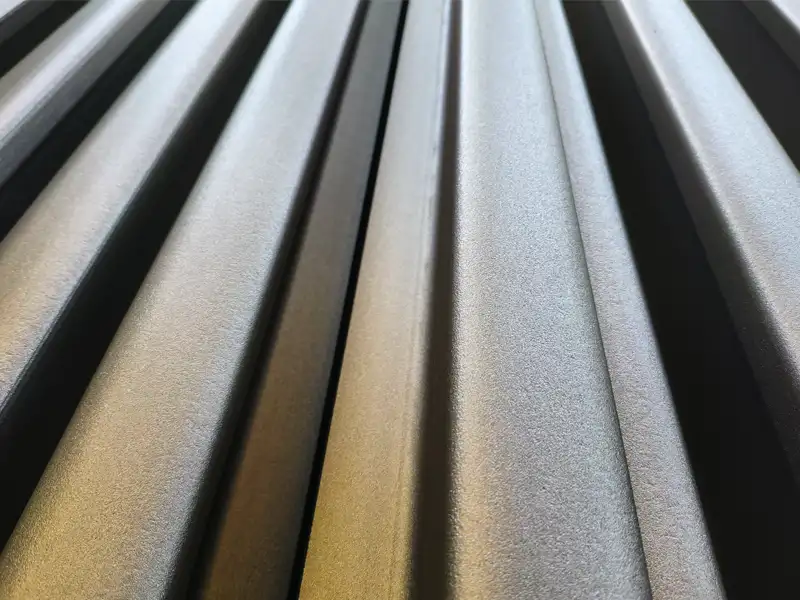

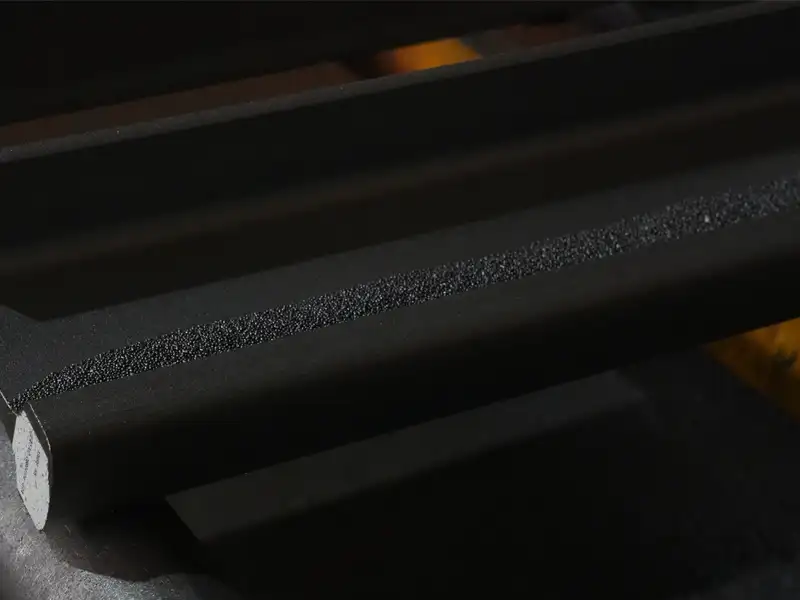
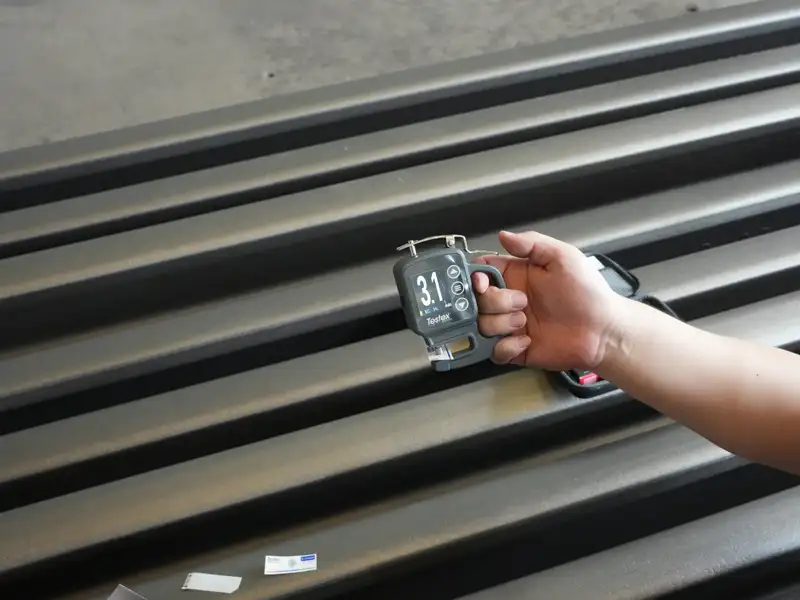
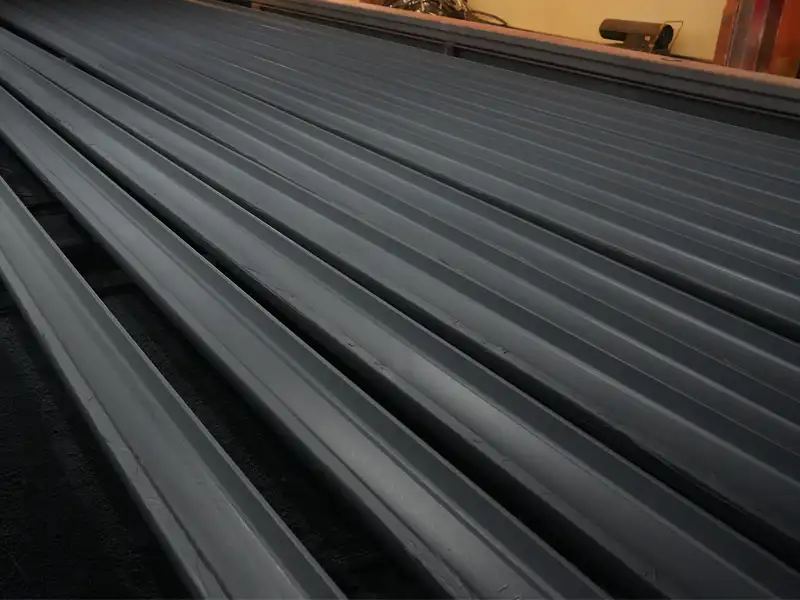
However, modern heavy-haul and high-speed rail systems require more advanced, durable, and environmentally friendly solutions.
At Glory Rail, we build upon these established industry standards to design comprehensive corrosion protection systems tailored to your specific operating environment. Our multi-layer coating process combines:
✓ Advanced surface preparation: (Sa 2.5 or Sa 3.0 sandblasting) to ensure perfect coating adhesion.
✓ Zinc-rich epoxy primers: Provide cathodic protection even if the coating is damaged.
✓ High-build intermediate coats: Form an impermeable barrier against moisture and chemicals.
✓ UV-resistant topcoats: Maintain protection and appearance for decades.
The Industries That Can’t Afford to Skip Anti-Corrosion
If your rails are operated in any of the following environments, anti-corrosion treatment isn’t optional—it’s essential:
Port and Harbor
Railways
Constant salt spray creates the most corrosive environment.
Industrial and Mining Railways:
Exposure to chemicals accelerates mechanical wear and chemical corrosion.
Bridges and Elevated Rail Systems:
Exposed to the elements on all sides, with no ground-level protection.
Subway and Tunnel Networks:
High humidity provides ideal conditions for rapid rusting.
International Standards Demand It
Global modern railway safety regulations are tightening requirements for corrosion prevention and maintenance documentation:
- ISO 12944: Specifies requirements for coating systems for steel structures in corrosive environments.
- EN 13508: The European standard for the assessment and protection of railway tracks against corrosion.
- TB/T Standards: Chinese railway standards mandate that newly installed structures undergo anti-corrosion treatment.
Non-compliance isn’t just a risk—it can void your insurance coverage and expose you to legal liability. At Glory Rail, all of our coating systems are certified to meet or exceed these international standards.
The Clock is Ticking: Corrosion Doesn’t Wait
Here’s an unsettling fact: Every day your rails remain unprotected, corrosion continues to progress. It starts with microscopic surface oxidation, progresses to pitting, then cracking, and finally structural failure. This process is silent, invisible, and irreversible if left unchecked. The best time to apply an anti-corrosion coating was when you installed the rails. The second-best time is now.
Take Action Before Corrosion Takes Its Toll
At Glory Rail, we believe that informed decisions are the best decisions. That’s why we offer:
- Free on-site corrosion assessments (or virtual inspections for remote locations).
- Detailed condition reports, including photos and measurement data.
- Customized protection solutions tailored to your environment and budget.
- Life-cycle cost analysis showing your exact return on investment.
Ready to Protect Your Rail Investment?
Don’t let corrosion dictate your maintenance budget and jeopardize your safety record. Take control today with Glory Rail’s proven corrosion protection solutions.